
(503) 471-9901

Corvallis families deserve clear answers about nursing home abuse and neglect
Families in Corvallis and Benton County deserve clear answers when a loved one may have been harmed in a nursing home, assisted-living community, memory-care setting, hospice program, or other long-term-care environment. Johnson McCall helps families understand what to do after a fall, medication error, pressure injury, unexplained illness, preventable infection, neglect of basic needs, or another serious concern. We listen first, help preserve evidence, and explain legal options without treating an initial report as proof. Families may be coordinating care across the central Willamette Valley and nearby providers.

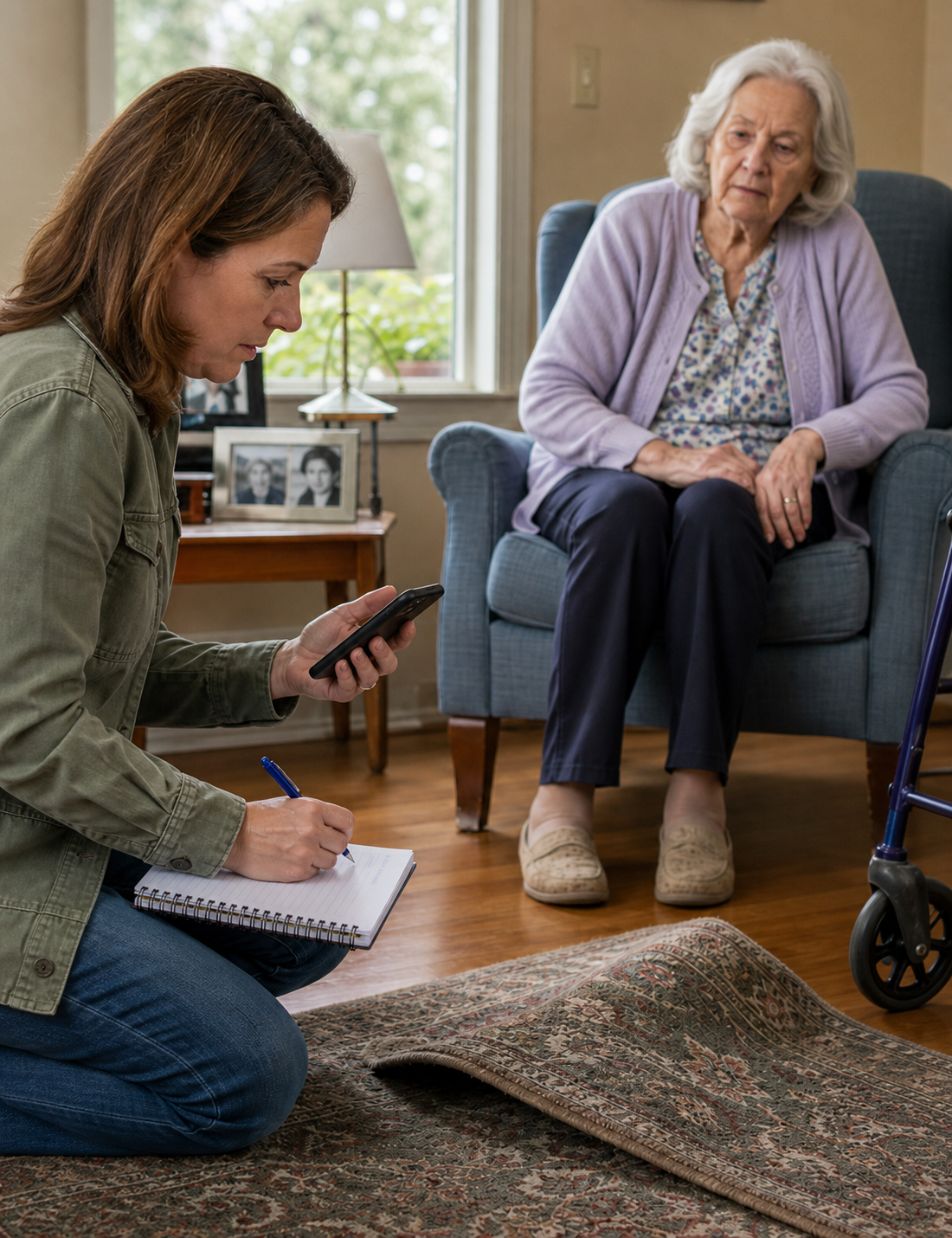
When a concern arises in Corvallis
The first priority is safety. If someone is in immediate danger or needs urgent medical attention, call 911 or obtain emergency care. After the immediate risk is addressed, write down what happened while details are fresh. Note dates, locations, staff roles, changes in condition, missed medications, injuries, unanswered call lights, nutrition or hygiene concerns, and what the facility said. Photographs, messages, care plans, medication lists, discharge papers, incident reports, and witness contact information can help create a reliable timeline. Keep original records and avoid altering files.
Common warning signs and care concerns
A single sign does not establish abuse or neglect, and many medical issues have more than one possible explanation. Families should still ask questions when a resident has repeated falls, unexplained bruising, dehydration, weight loss, pressure injuries, medication discrepancies, sudden withdrawal, poor hygiene, untreated pain, unsafe transfers, or a sharp change in behavior. In Corvallis, families may be communicating with several providers at once when a resident moves between a facility, hospital, rehabilitation program, and home. Comparing records from each setting can reveal gaps in communication or changes that deserve a closer review.


Reporting and preserving information
Oregon families can use official reporting channels and the Oregon Long-Term Care Ombudsman to raise concerns about care or facility practices. Reporting can help protect a resident, but it does not replace individualized legal advice. Ask for records in writing, preserve notices and care-plan updates, and keep a dated log of calls and responses. Do not wait to seek advice if a facility is changing its story, limiting access to records, or asking the family to sign a release they do not understand.
How Johnson McCall can help
Johnson McCall represents families in Corvallis, throughout Benton County, and across the central Willamette Valley. Our attorneys investigate the sequence of events, identify responsible parties, evaluate whether the available facts support a claim, and pursue accountability when the evidence warrants it. We can help families organize records, understand agency responses, assess possible damages, and decide whether a civil case is appropriate. A confidential conversation can help you understand the questions that matter before making a major decision.


Serving Corvallis and nearby communities
Families also contact us from Albany, Philomath, Monmouth, and Eugene. The basic steps remain the same: protect the resident, document what you know, request records, report urgent concerns, and get advice tailored to the facts. Contact Johnson McCall to discuss what happened and what you want to happen next.
Related Resources
Neighboring Locations
Frequently Asked Questions

Protect the resident, obtain urgent medical care if needed, document the concern, request records, and report immediate safety issues through the appropriate Oregon channel. Then seek case-specific legal guidance.
Deadlines depend on the facts, the type of claim, the resident’s status, and the parties involved. Do not rely on a general online deadline. Ask an Oregon attorney to evaluate timing promptly.
Yes. Request records, keep a timeline, ask focused questions, and compare facility documentation with hospital or rehabilitation records. A lawyer can help identify missing information and next steps.
A consultation is intended to help you understand options and protect the resident’s interests. Johnson McCall can discuss communication strategies and legal steps that fit your family’s circumstances.